Vapor barriers are a foundational element of crawl space and basement moisture control in Amlin, OH, providing a physical membrane that separates soil-sourced moisture from the wood and mechanical systems in your home. Understanding what a proper vapor barrier consists of, however, goes well beyond simply laying plastic on the floor.
A mil is one-thousandth of an inch, and the difference between a 6-mil sheet and a 20-mil sheet is significant in terms of puncture resistance, lifespan, and moisture vapor transmission rate. The material specification should match the specific moisture conditions and use patterns of the space, and we assess both before recommending a product.
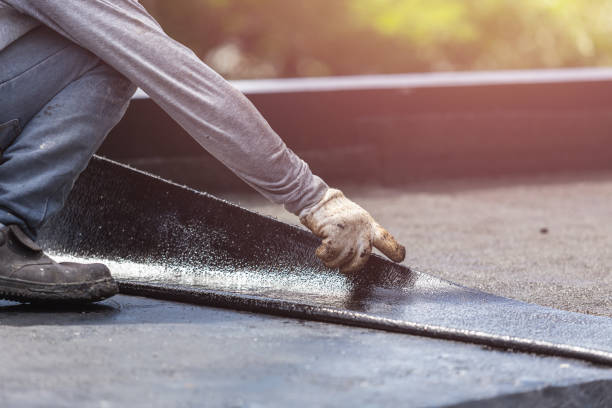
Overlapping sheets by 12 inches or more at seams and securing them with butyl tape creates a continuous, mechanically bonded membrane that resists separation as the sheeting settles and moves over time. Seam quality is one of the most overlooked and most impactful aspects of the vapor barrier installation.
Wall coverage is the third major element of a complete vapor barrier installation that is frequently done incorrectly in Amlin, OH homes. The combination of floor coverage, properly lapped and taped seams, and full wall coverage to the sill plate creates a complete moisture envelope that dramatically reduces crawl space humidity and protects the wood framing above.
HVAC equipment and ductwork located in a humid crawl space corrodes faster, loses efficiency, and requires earlier replacement than equipment in a properly sealed environment. A well-installed vapor barrier is also a prerequisite for effective dehumidifier integration in crawl spaces where mechanical moisture extraction is warranted.
Every installation meets or exceeds Amlin, OH building standards.
The materials we install in Amlin are built to last decades, not years.
We extend the barrier up every wall to the sill plate, closing the moisture entry pathway that floor-only installations miss.
You receive documentation of your warranty before we leave the property.
The result is a continuous moisture envelope that protects your floor framing from ground vapor for years to come.
Upgrading from 6-mil to 20-mil sheeting with proper seam sealing delivers measurably improved moisture performance in most cases.
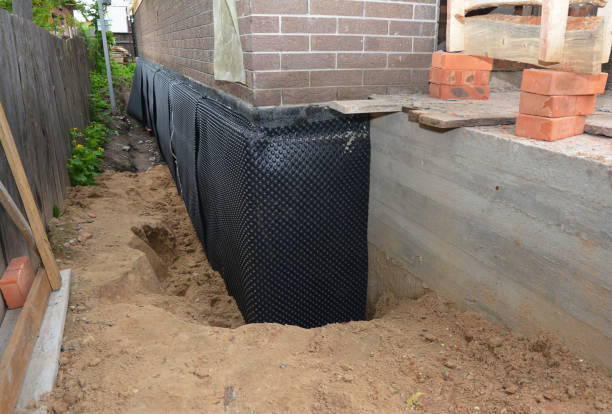
The installation includes full seaming, perimeter taping, and wall coverage to the base of the finished wall or sill plate.
In basements with both vapor migration and liquid water management needs, we integrate dimple mat drainage board beneath the vapor barrier to channel any liquid water to a perimeter drain system.
In high-humidity areas of Amlin, OH, a vapor barrier alone may not be sufficient to control crawl space moisture during peak summer months.
We offer post-installation inspections for vapor barriers installed by other contractors, as well as for our own older installations, to assess barrier condition, seam integrity, and wall coverage completeness.
We measure the space, assess existing moisture conditions, document any existing barrier or mold, and identify all penetrations that will need to be addressed in the installation
Based on site conditions, we specify the appropriate mil rating, calculate material quantities, and plan the seaming layout for maximum coverage and minimum waste
Sheeting is laid, overlapped at 12 inches minimum, taped with butyl tape at all seams, and extended up all walls with mechanical fastening at the top edge
We walk through the completed installation with you, confirm all seams and coverages are complete, and provide written warranty documentation before leaving
"We had a previous vapor barrier installation that was barely 6-mil and had separated seams throughout. The humidity in our crawl space was unacceptable and we were starting to see mold on the floor joists. JCB Waterproofing and Construction completely replaced the barrier with a 20-mil system properly taped and sealed wall-to-wall. The difference in our indoor air quality was noticeable within a week."
"Very professional team that explained the difference between the grades of vapor barrier sheeting before recommending anything. The material quality and seaming were both done to a very high standard. We can already see the humidity meter reading dropping consistently."
"The crew extended the barrier all the way up the walls to the sill plate, which the contractor who did our original installation did not do. That wall coverage made a huge difference in our humidity levels. Great work from a team that clearly knows what they are doing."
Do not let ground moisture continue to damage your floor framing and indoor air quality